May 26, 2026

What is the difference between meditation and contemplation?

Introduction

Starting yoga for the first time can feel overwhelming, but with the right guidance and mindset, it can become a transformative journey. Yoga helps improve flexibility, reduce stress, and cultivate mindfulness, making it an excellent practice for both body and mind.

1. Start Small and Simple

It’s easy to feel pressured to do advanced poses right away, but the key is to begin with basic movements and short sessions. Even practicing for 10–15 minutes a day can help you build a solid foundation. Over time, you can gradually increase the length and complexity of your practice as your confidence grows.

2. Choose the Right Class

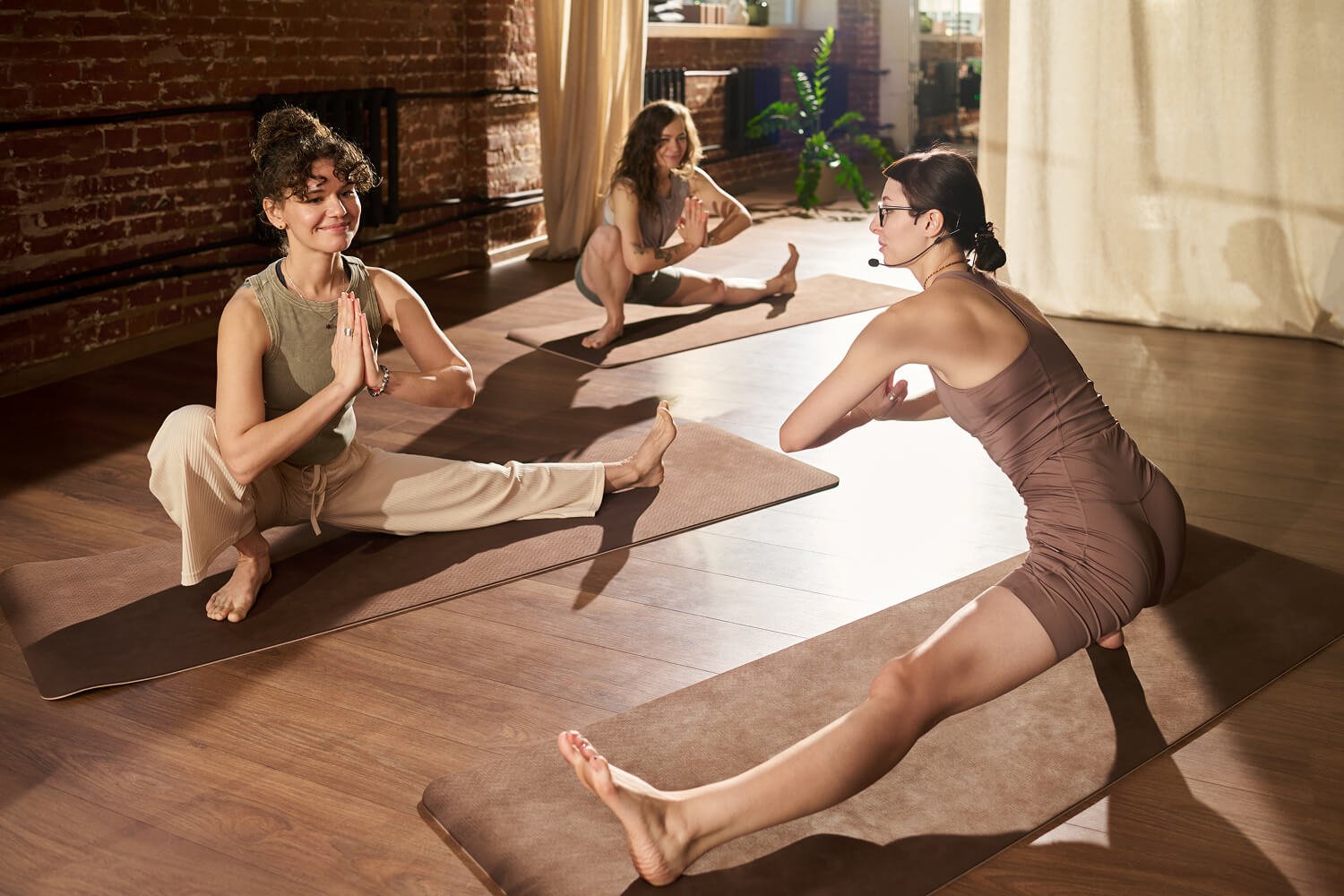
Look for beginner-friendly classes or online tutorials that guide you step by step. A supportive instructor can help you understand proper alignment and breathing techniques.

3. Focus on Your Breath

Yoga is as much about breath as it is about movement. Concentrate on deep, controlled inhales and exhales, and try to coordinate your breathing with your poses. Mindful breathing not only improves your physical practice but also reduces stress and promotes relaxation.

4. Be Patient and Consistent

Progress in yoga doesn’t happen overnight. It’s important to remain patient and practice consistently. Focus on enjoying the journey rather than achieving perfect poses immediately. Small improvements over time can lead to significant benefits for your mind and body.

Conclusion

Yoga is a personal journey. By starting with small steps, focusing on breath, and practicing regularly, beginners can gradually experience the physical and mental benefits of yoga. Remember, every small step counts toward a healthier and more mindful lifestyle.

Tags:

Scroll to Top